
When we think of social media marketing, often times we look at it as opportunities for daily advertising campaigns. That’s not all together incorrect BUT are you connecting with your target market? And we mean really connecting? Social media is a live, public conversation and like most conversation, there is a 2-way dialogue happening which begs the question: Are you speaking to your market OR at your market?
The only way to truly soar is to factor in the thoughts, feedback and opinions of your target audience and incorporate that into future product development, content creation, sales and promotions and incentives for loyal customers. If your fan base feels heard and they feel like you are really listening, it is likely they will stay true to your brand forever and ever and what’s even more… they’ll tell their friends.
Big Picture Learning: Stop trying to sell your audience every.single.day. Stop shouting “buy me” to them but rather incorporate their feedback into your content and look to evoke an emotion through the art of digital storytelling. Remember: our emotions drive purchasing decisions.
Takeaways:
Use a voice that speaks directly to your audience. Your brand is not for everyone. Speak to your buyer.
Show the value of your brand and product. Forget mimicking your competitor. Give your audience exclusivity be it through content, promotions, bundling and beyond.
Show emotion. Use humor, empathy, vulnerability. Be different. Be relatable.
Pick a side, make your case and drive that angle home weekly. Your audience expects you to be an expert. Are you the #1 seller of accessories on Amazon? Are you the best parenting magazine in Chicago? Know your UVP <unique value proposition> and own it daily.
Ask your audience questions and actually listen to their responses. Better yet: engage with them by responding to DMs and comments in a timely manner. Ask them what is their pain point and solve it!
Social media isn’t just about posting to post. From your copy to your images to your community management, all aspects of what you post should communicate the brand message that you portray in all other aspects of your business. The most successful brand messages not only resonate with your audience, but come to mind the moment your brand name is mentioned.
Take Nike, Maybelline, Subway, Walmart -- in a split second you could rattle off the messaging of each of these brands. And their social media reflects this messaging just as much.
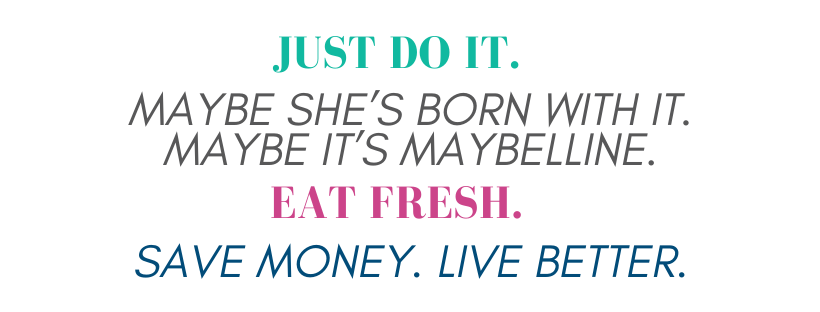
Once you’ve created a strong brand message that you feel you’re ready to carry across all of your social media channels, next comes the challenge of formatting this brand message for the proper networks.
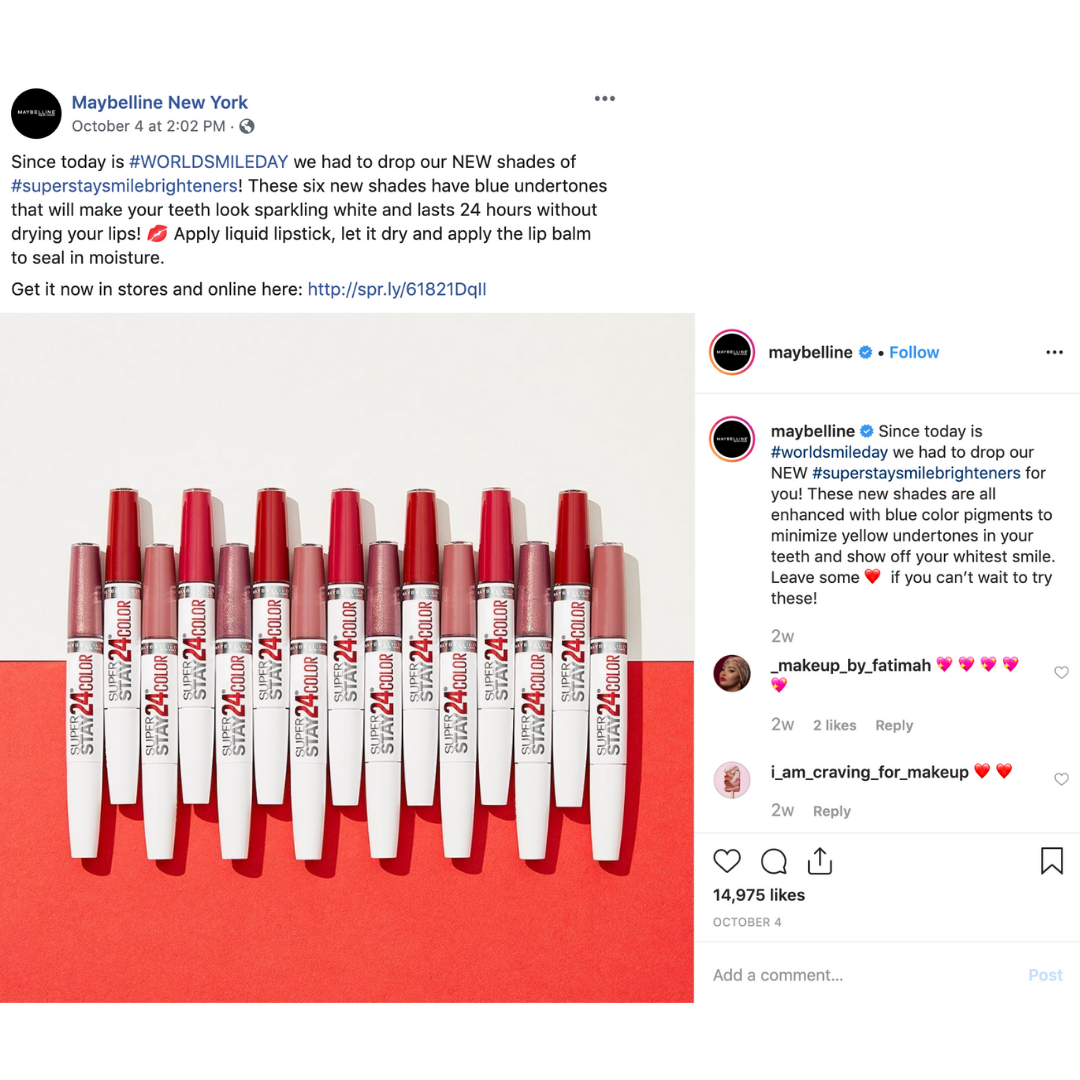
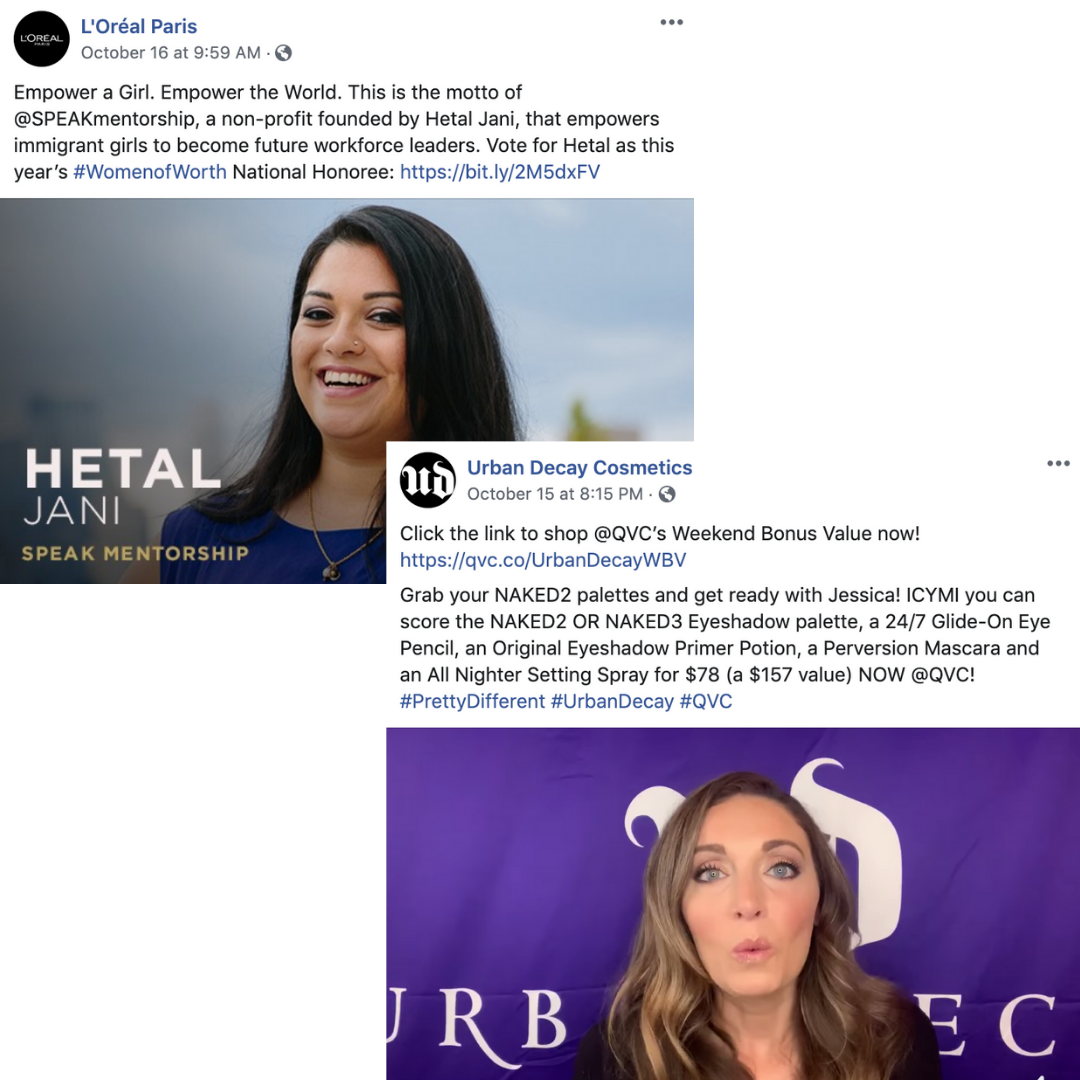
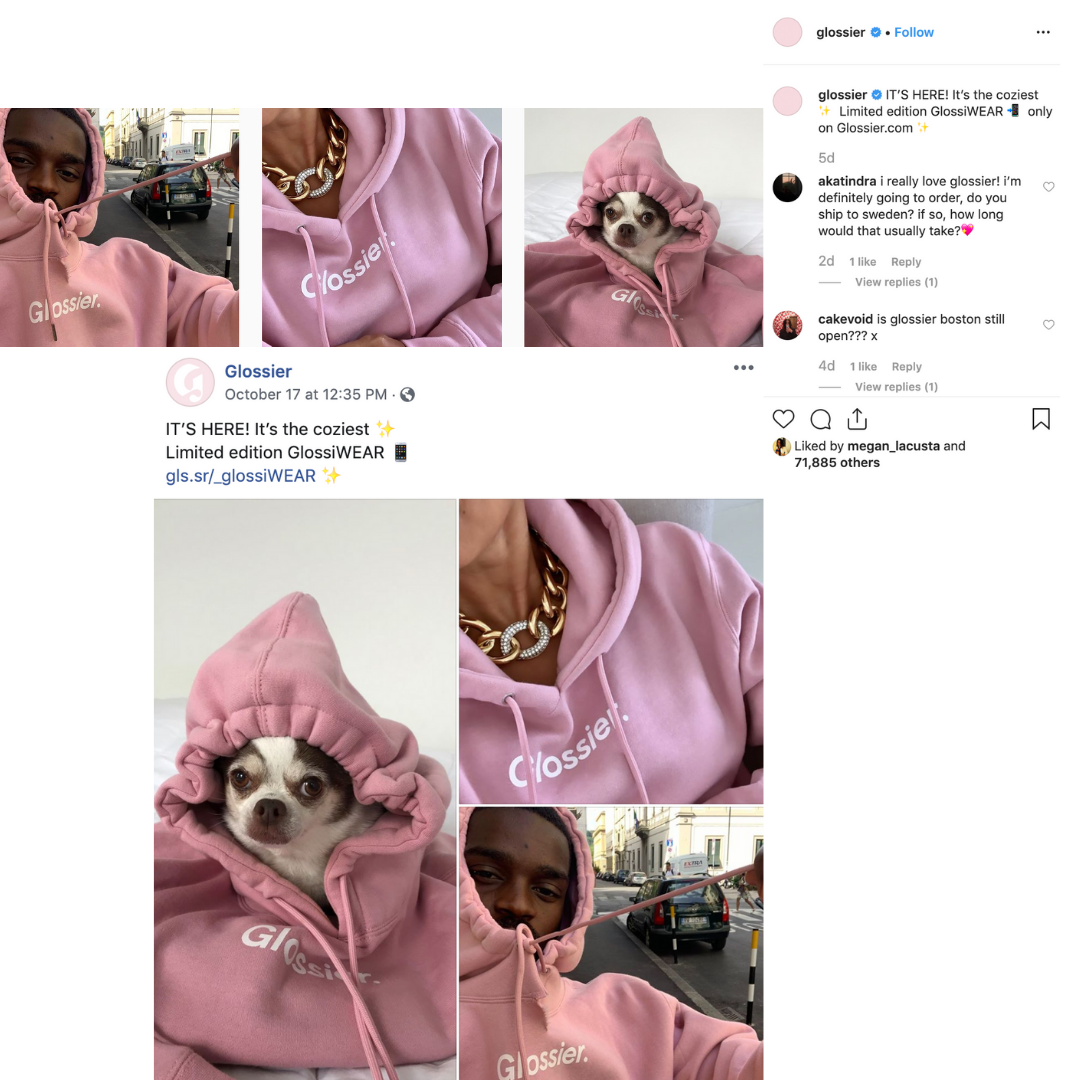
Gone are the days where you can simply post the same content across all of your networks. One reason is that tags don’t transfer from platform to platform. Links that work on Facebook are unclickable on Instagram. The more hashtags on Instagram the better, but on Facebook it can hurt engagement. Calls to action aren’t the same. And these are just a few of the barriers… Check out some dos and don’ts from brands you know and love below.
DO: Tailor your call to action for each different social media channel.

DOn’t: assume that brands have the same handle on all networks.

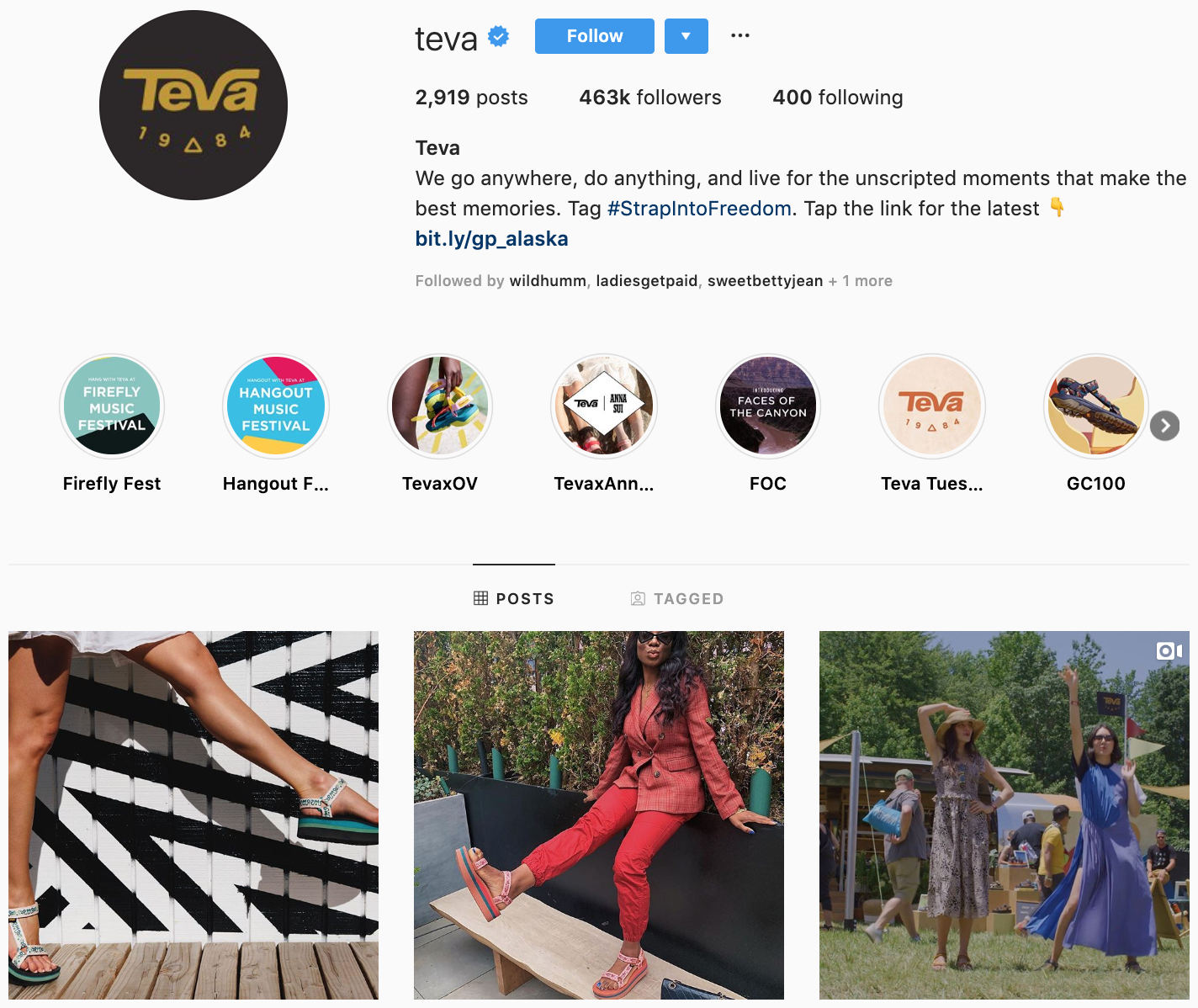
DO: Take notice of how images will look on your instagram grid and plan content across networks accordingly.

DOn’t: Post without a purpose if the image or copy isn’t on brand and won’t make sense to your consumer.

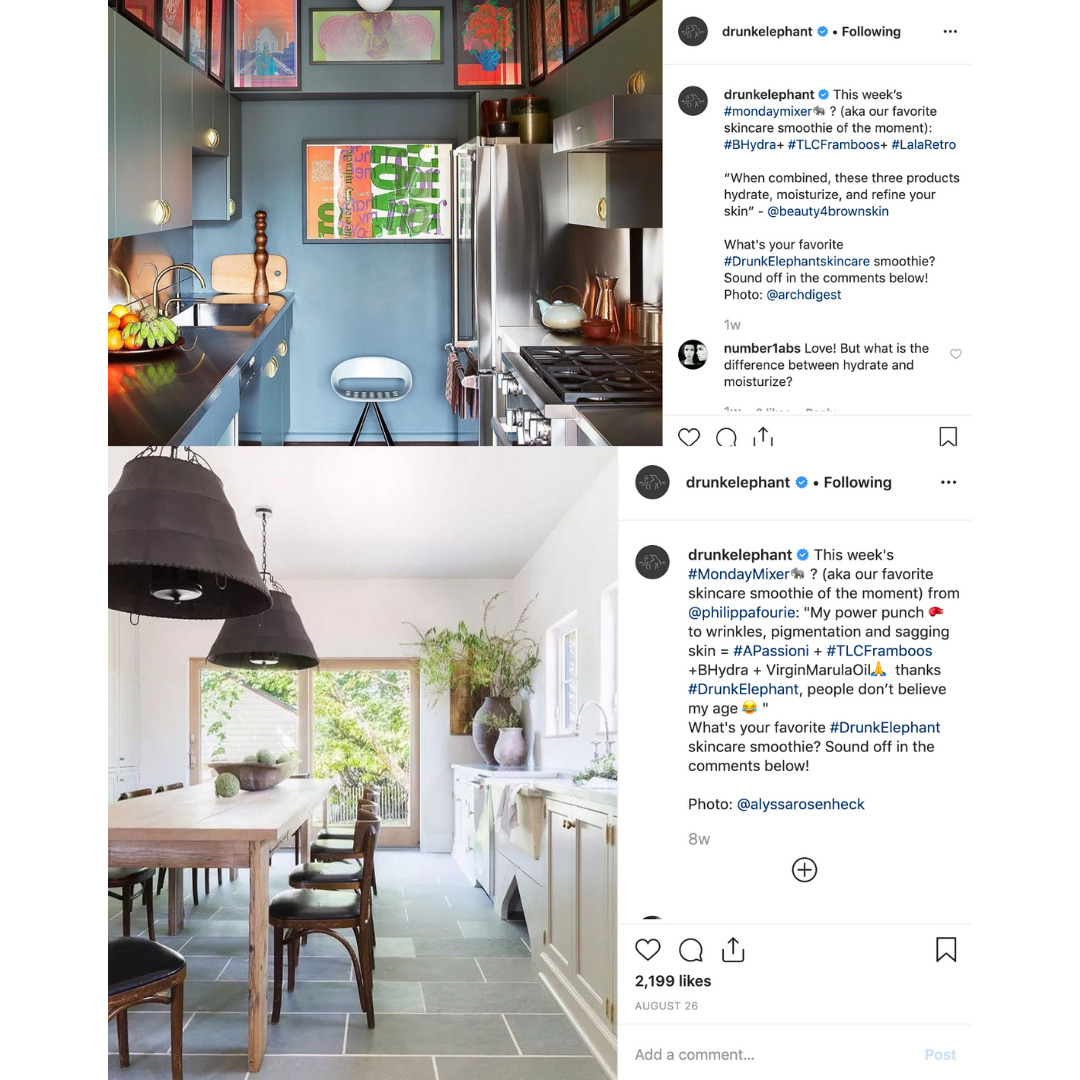

We all have influence. Do you ever tell your friend, a parent in the pick up line or a work peer about the meal you had on Saturday night? Well, I do. I am constantly selling! Influencers are not these mystical creatures who possess a wealth of marketing knowledge. What they are are humans like you and I who know their brands, are relatable and the best part — wait for it — they know who their audience is and what their preferences are.
But, and this is a big but, working with influencers usually takes up a lot of your valuable time. Remember, not all influencers are going to say YES to working with you. The business of influencer marketing is a tricky one that includes non-regulated rates, a dash of entitlement and a pinch of time suck. You heard that right. You will be spending your precious, billable time performing outreach, follow-ups, negotiating rates, creating contracts, developing a campaign brief, reviewing content for approval, ensuring content went live and then finally, are you with me, gathering the metrics to decipher how their efforts impacted your business for the positive. That is right, influencer marketing takes time and influencer marketing is NOT a strategy but rather a subset of your overall marketing. If you’re looking for a handful of influencers to break the internet this Black Friday… think again. You need a much greater strategy in place for that or Kim Kardashian West. So… what do you do if you can’t afford Kim?
Big Picture Learning: The biggest influencers are not the best influencers for your brand. You are seeking an influencer match who has “gettability” with what you are trying to promote. Pay close attention to the type of content they are producing. Are they posting competitive products back to back on their grid? Smaller influencers have more reach and engagement. If your budget allows you to offer a small monetary stipend; select 10 nano influencers a month and offer them $100 plus product. You’ll have more luck in ticking off your awareness priorities.
Takeaways:
Understand and land on an influencer budget that you’re comfortable with on a monthly basis.
Commit to a four month campaign. There is nothing to gain under four months.
Hone in on your audience. Are you trying to reach moms? Fashionistas? Entrepreneurs? Bloggers? Know your target market and become laser focused.
Develop a compensation package. Offer X in goods/services and share the value of X plus a small monetary compensation.
Hint: Influencer marketing is a business. Do not expect influencers to create free content for you so you can then republish all over the internet. Whether you are a hat, a beverage or a beauty product… they get anywhere from 10-50 offers DAILY in their inbox. Get some honey and then reach out to them or wait until you can sweeten the pot.
Hint: The rule of thumb is $100 for every 10,000 followers when it comes to influencer compensation.
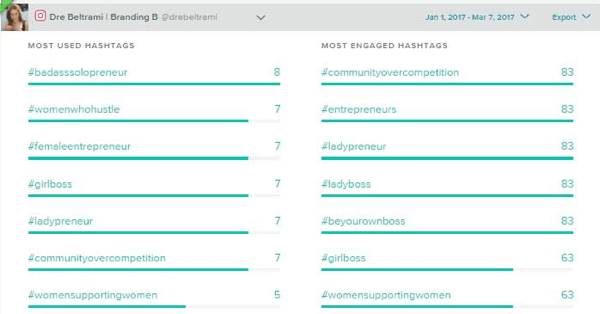
Discover the most popular hashtags for your influencer audience and start vetting. Do you need influencers on the East Coast or middle America? Hashtags are your friends. Find the right ones.
Now you’ve found the right ones but look at their engagement. How loyal is their audience? Do they respond to comments and DMs? Does the ratio of their likes match their followers. Be a super social media sleuth and evaluate their sense of community.
Your budget dictates the # of influencers you are going to work with. Now it’s time for outreach and negotiation.
Hint: Less is more when it comes to influencers. Aim for micro or nano influencers… not the big dogs. You have a higher probability of gaining new followers and sales by working with influencers under 50K followers than you do over 50K. It’s a simple truth. Their audiences are more engaged and feel they are more credible because they are not hocking a new ad or trying to sell them something every hour. They call this AUTHENTICITY.
Get it in writing! Manage both theirs and your expectations down to the posting times and hashtags.
Attracting the right people to your networks can feel tricky, but it’s really quite simple. You’ll have to put in the elbow grease — yes, building a community takes time— and follow these easy to understand steps.
Have a point of view to share. If you are in a leadership position, people want to learn from your insight.
1. Share other people's content. If you are doing it right, they may share yours, too.
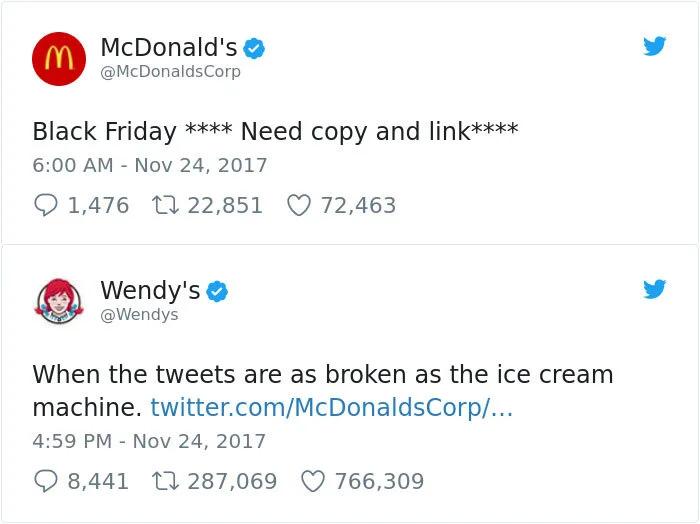
2. Engage authentically in conversations and LISTEN, plus, your social voice should have a personality. (You don’t become Wendy’s on Twitter by accident!)
3. Share custom content. A brand identity is one of the most important tools in a marketer’s arsenal. A unique identity allows your creative team to produce visual content that matches your brand message and is exclusive to your brand alone.

4. Share in real time and jump in on conversations currently happening, especially current events, holidays and other trending topics.



5. Craft social profiles that are interesting, compelling and appealing to your target audience. This is the first thing they’ll learn about you on social, make sure it’s phenomenal!
6. Use social ads… but make ‘em highly targeted!
Social media marketing is the ultimate word of mouth vehicle. So how do you get more people to talk about you? For starters, you have to engage with them. This is the equivalent of Facebook’s old “poking” activity. Remember that? Let’s get poking!
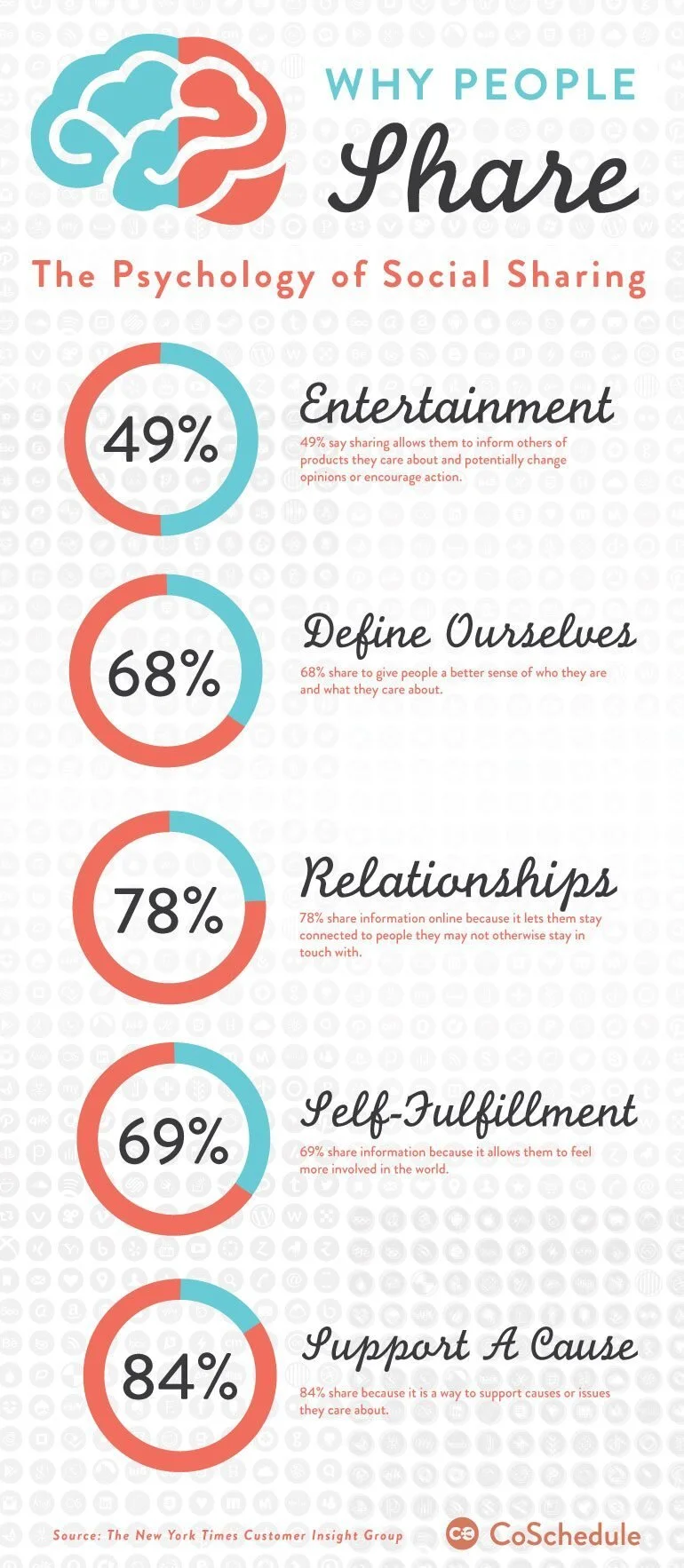
Big Picture Learning: Chances are that if you are taking the time to build mindful, strategic content then your audience will be inclined to re-share that content. Like anything in life, ask and you shall receive. Including strong, rotating calls-to-action is a key step in getting your content seen and shared by your most loyal fanbase.
Takeaways:
You want people to share your content? Ask for it! If you want your audience to take a simple action - ask for it.
Make them laugh. Make them cry. Evoke an emotion.
Hint: This is the reason quotes perform really well!
Be visual. Certain networks are all about the visual such as Instagram where as Facebook lends to more copy. When in doubt, create a carousel or a collage to stop the scroll.
Make a connection. Does your company do any philanthropy work or donate proceeds? Talk about your cause and why it’s important to you. Make your mission part of your daily/weekly message. Show your team in action doing good for the community.
Offer an incentive for the share. Give a discount, a special offer or a gift certificate to the first 10 or 20 people that share your content even if it’s for their self benefit.
“Vanity metrics are things like registered users, downloads, and raw pageviews. They are easily manipulated, and do not necessarily correlate to the numbers that really matter: active users, engagement, the cost of getting new customers, and ultimately revenues and profits. The latter are more actionable metrics.” Tech Crunch
You can use stats and metrics to identify popular posts and topics, but first, make sure you are looking at the stats that matter!
We’re currently running a test that hides the total number of likes and video views for some people in the following countries:
— Instagram (@instagram) July 17, 2019
✅ Australia
✅ Brazil
✅ Canada
✅ Ireland
✅ Italy
✅ Japan
✅ New Zealand pic.twitter.com/2OdzpIUBka
With Instagram and Facebook reportedly threatening to drop vanity metrics, it’s time for a shift to stats that actually matter. How can you use insights to identify popular posts and topics? With a few simple tricks:
SAVE the day.
Instagram
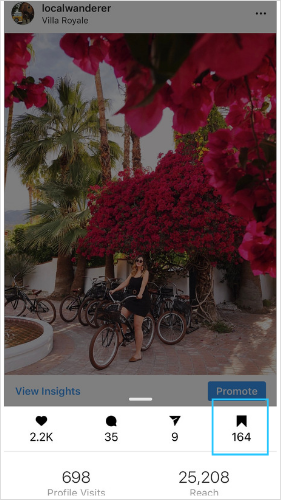
Saves are a massive indication of value to your target audience. Tracking your saves, therefore, can help you identify your best content that will keep your audience engaged both immediately upon posting and long-term.
The Instagram algorithm uses 7 key factors to determine how to rank a post in the Instagram feed, one being the engagement you get on a post (likes, comments, views, and saves).
It “reads” the number of saves an Instagram post gets as an indicator of quality: people saving your post is an indicator to Instagram that this is high quality content, so it shows it to more people in the feed.
Thank you, NEXT.
Instagram Stories
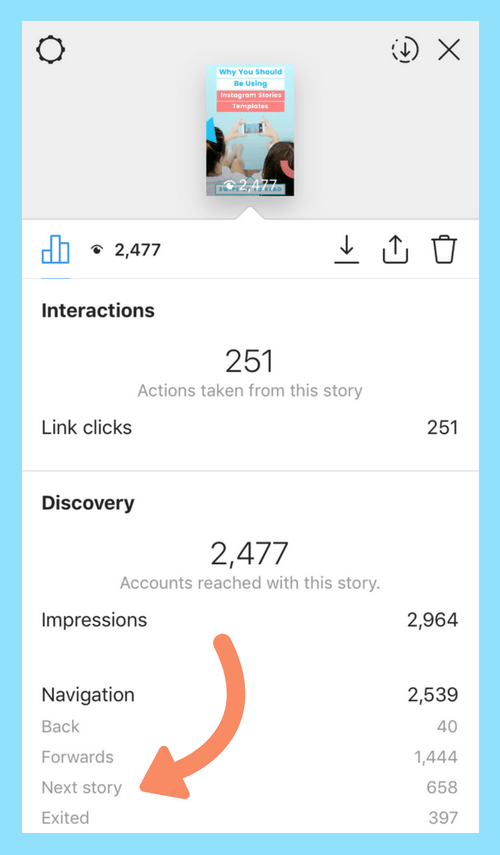
The Next Story metric is when people will swipe forward to leave your story and move on to the next account’s story.
Sharing is caring
Facebook and Instagram

Website Clicks and CONVERSIONS
All Networks